Col de Turini
The unforgiving, forest-lined rally stage of the Maritime Alps.
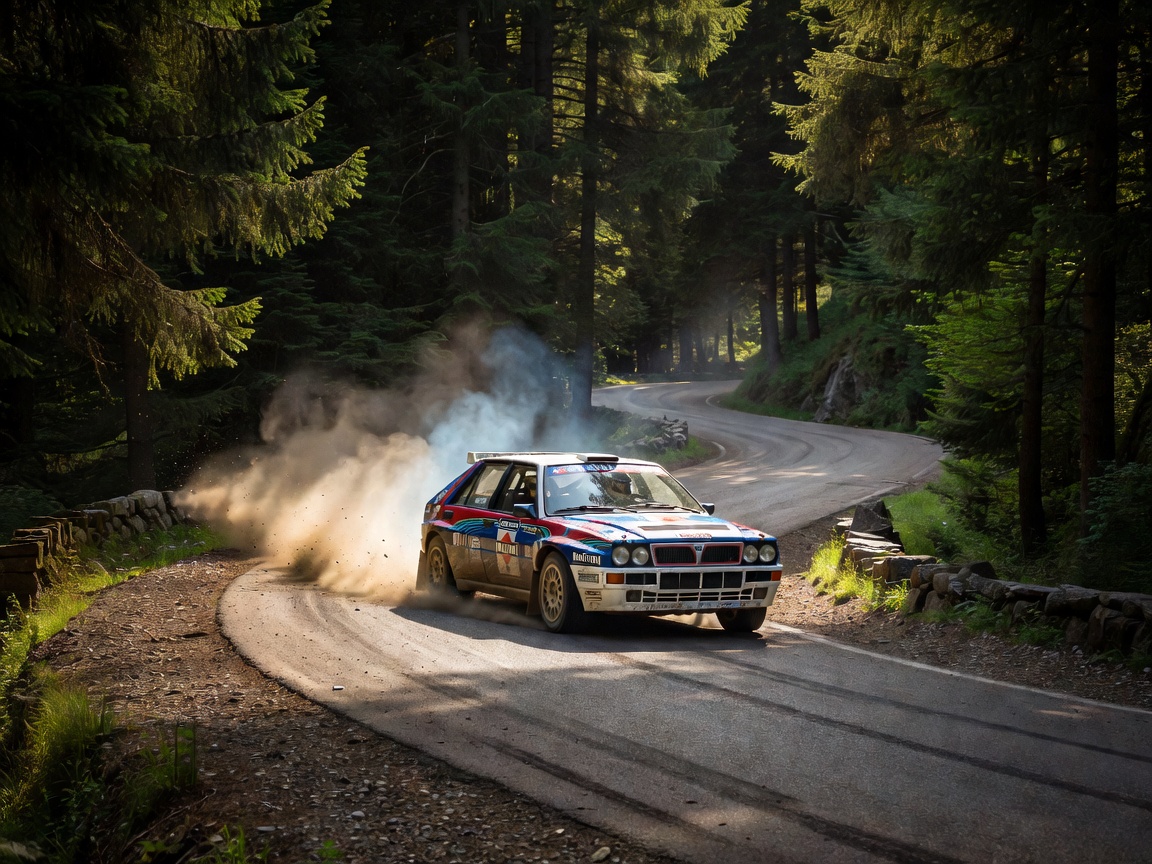
Geographic Overview and Scale
Tucked away in the Alpes-Maritimes department in southeastern France, the Col de Turini operates on a different scale of beauty compared to the high-altitude monoliths of Austria and Italy. Topping out at 1,607 meters, it does not challenge the sky, but instead cuts deeply through dense, craggy pine forests. Connecting Sospel to La Bollène-Vésubie, the route presents a claustrophobic, tightly wound asphalt maze heavily shaded by rock walls and tree canopies.
The landscape dictates the road's rhythm. Because the region is characterized by sheer, sudden drops and narrow gorges, the road surface is famously narrow. Low stone walls—the only barrier between a tire's edge and a devastating fall—frequently show the battle scars of misjudged lines.
The Rally Heritage
Col de Turini is intrinsically linked to global motorsport folklore. It is the defining stage of the Monte Carlo Rally. Historically run at night, the stage became known as the "Night of the Long Knives" due to the intense beams of auxiliary rally lights slicing through the alpine darkness and snow. The unpredictable winter conditions meant that drivers could start a stage on dry, freezing tarmac at the base, and within a few kilometers be fighting for traction over thick, polished ice at the summit.
The passionate crowds that historically lined these very walls threw snow onto the road to increase the spectacle, elevating the danger and unpredictability. While safety standards have evolved, driving the Col de Turini still evokes an undeniable connection to this era of raw, unregulated motorsport bravery.
Driving Dynamics and Challenges
Agility reigns supreme on the Turini. Heavy, wide grand tourers feel entirely out of place here; the route heavily favors lightweight, compact vehicles with immediate steering response and punchy low-end torque. The corners are tightly stacked, demanding relentless driver input. Rhythm is difficult to establish as the radius of corners constantly tightens or opens unexpectedly.
Visibility is the primary dynamic challenge. The dense tree cover casts heavy shadows that make reading the road surface difficult, especially when transitioning from bright Mediterranean sunlight into deep forest shade. Damp patches can linger for days, drastically reducing grip mid-corner.
Because the road is so narrow, crossing the center line—even slightly—is incredibly dangerous. Oncoming traffic often appears suddenly from blind entries. Heightened driver awareness and a defensive approach to blind corners are mandatory.
Preparation and Best Practices
Exploring the Col de Turini safely demands respect for its unforgiving nature and unique environment.
- Vehicle Footprint: Consider the size of your vehicle. Smaller sports cars or motorcycles offer a significantly less stressful experience here compared to large SUVs or wide modern supercars.
- Surface Conditions: In autumn, fallen pine needles create a surprisingly slick layer over the tarmac. In winter, black ice is a near-constant threat in shaded sections, regardless of the ambient temperature in the valleys below.
- Respect the Locals: This is a working transit route for local residents. Avoid treating the public road as a closed rally stage, and pull over safely to allow faster local traffic to pass.
The Col de Turini is a visceral, challenging drive. It lacks the expansive viewpoints of higher passes but compensates with an intense, immersive driving experience steeped in automotive legend.